Clean Calm, One Sense at a Time
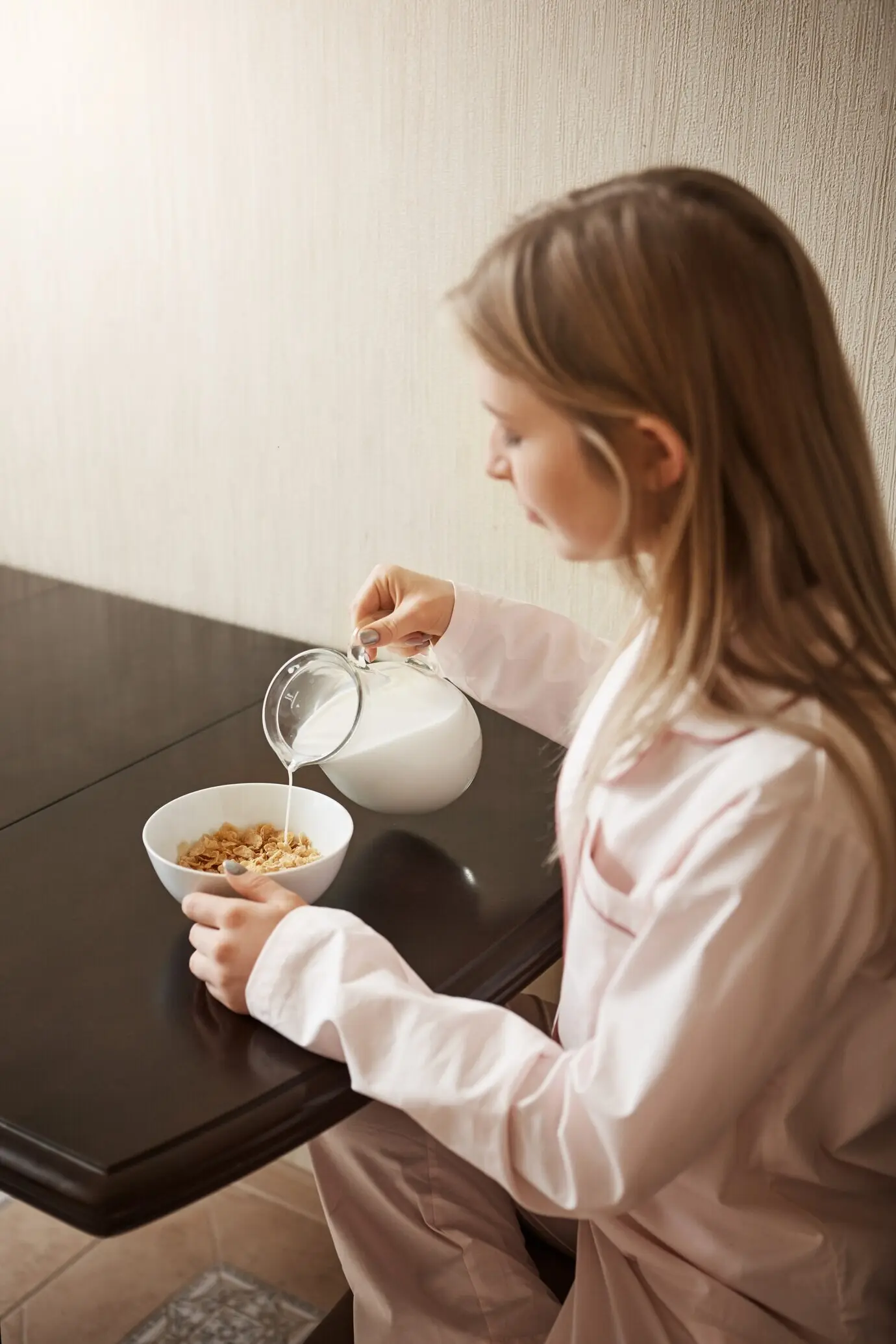
Welcome to a gentler approach to housekeeping where stress dissolves through mindful attention. Today we dive into Five-Sense Cleaning: Finding Tranquility through Sensory Awareness, transforming routine chores into restorative rituals by aligning sight, sound, smell, touch, and taste with intention, compassion, and sustained presence that carries calm beyond the last polished surface.

Why Sensory Engagement Softens Effort

From Clutter to Cues

Visual chaos demands constant interpretation, draining motivation. When you highlight simple cues—one bright cloth, a defined zone, a visible timer—the mind relaxes into guidance rather than judgment. Focus narrows comfortably, movement becomes obvious, and your next helpful action shows up without negotiation.

Soothing the Nervous System

Soundscapes with gentle rhythms, soft textures in your grip, and breathable scents create predictable sensations that signal safety. This predictability lowers sympathetic activation, steadies breathing, and invites longer, kinder engagement, so effort feels less like a battle and more like caring maintenance of your environment.

Micro-Rewards, Lasting Momentum

The senses deliver quick feedback loops: a clearer line on a mirror, a fresh note of citrus, the satisfying click of a latch. Each loop offers a micro-reward, reinforcing progress and making the next small decision easier, until momentum grows almost effortlessly.

A Gentle Setup for Success

Set an Intention You Can Feel

Choose a felt sense rather than a number: lighter air, easier breathing, a friendlier entryway. Speak it aloud, then anchor it to a sensory cue, like the first sip of tea or the click of a timer, so your purpose stays embodied and reachable.

Lay Out Tools Like Instruments

Choose a felt sense rather than a number: lighter air, easier breathing, a friendlier entryway. Speak it aloud, then anchor it to a sensory cue, like the first sip of tea or the click of a timer, so your purpose stays embodied and reachable.

Design a Short Opening Ritual

Choose a felt sense rather than a number: lighter air, easier breathing, a friendlier entryway. Speak it aloud, then anchor it to a sensory cue, like the first sip of tea or the click of a timer, so your purpose stays embodied and reachable.

Color Cues and Tidy Islands
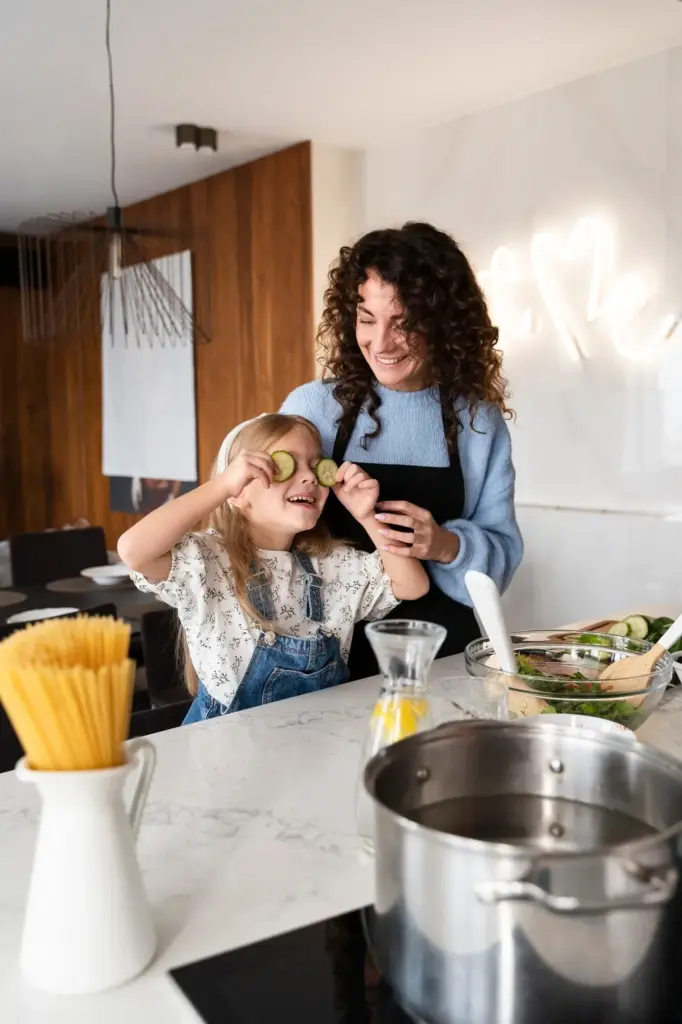
Choose one bright cloth or tray to act as an anchor, creating a small island of clarity. Expand from that island outward. The growing contrast between settled and unsettled areas reassures your brain, making choices simpler and reinforcing a compassionate, sustainable pace.

Lighting That Reduces Visual Noise

Open blinds or use warm, indirect lamps to soften harsh edges and shadows. Better lighting reveals dust honestly without dramatizing it, helping you act kindly and effectively. Balanced light also protects eyestrain, keeping your attention available for choices rather than fatigue.

The One-Minute Scan Method

Stand at the doorway and scan left to right, top to bottom, choosing a single visible win to start. Repeat the scan after each micro-task. This rhythmic viewing trains selective attention and makes progress unmistakable, turning circles of distraction into lines forward.

Build a Supportive Playlist

Select tracks around a comfortable walking tempo, interleave instrumental pieces with nature sounds, and keep volume modest. Let the playlist last slightly longer than your session, signaling space rather than pressure. If lyrics distract, favor voices without words, humming textures, and gentle percussion.

Silence as a Focusing Tool

Pause the music when decision points arise, like choosing where to begin or whether to let an object go. Silence widens perception and invites patience. Returning to sound afterward then feels supportive, restoring momentum with clarity rather than urgency or strain.

Choose Scents with Intention

Consider how citrus sparks energy, herbs bring clarity, or gentle florals invite restfulness. Test tiny amounts first and rotate choices to prevent nose fatigue. Let the fragrance echo your intention, so each inhale reminds you why this care matters today.

Reset the Air Between Segments

Crack a window, let a fan sweep the room, or step briefly onto a balcony. Clearing the air refreshes attention and reduces scent stacking. Returning to the task then feels like rounding a corner into cleaner weather, lighter lungs, and renewed curiosity.

Tools That Feel Good to Hold

Test handle thickness, glove materials, and cloth weave. If your hands relax around the tool, endurance improves and precision follows. Favor microfiber that glides, brushes that whisper rather than scrape, and ergonomic grips that let wrists stay neutral during longer, patient movements.

Mindful Contact with Surfaces

Match touch to the story of each material. Glass prefers light, even passes; wood likes direction with the grain; stone appreciates patient circles. Let feedback from the surface guide pressure, preventing damage while turning repetitive motions into steady, meditative, deeply satisfying rhythms.

Protect Your Hands and Posture

Comfort sustains kindness. Wear breathable gloves when needed, stretch forearms between tasks, and keep shoulders loose. Use tools with length that matches your height to reduce bending. Small ergonomic choices compound into easier sessions, preserving energy for life beyond the chores.

Taste: Gentle Rituals That Sustain Pace

Taste offers grounding and replenishment when cleaning spans time. Keep safe distance from chemicals, designate a clean sipping station, and choose beverages that soothe and hydrate. Small, intentional flavors mark transitions, help regulate pace, and remind you to care for yourself while caring for space.

Five-Minute Arrival

Open a window, start soft music, sip water, and name your intention. Perform a quick scan and choose one zone. Gather tools with ease. This arrival primes attention, reduces friction, and gives your senses a welcoming runway toward steady, grounded, repeatable action.

Fifteen-Minute Flow

Cycle sight, sound, smell, and touch intentionally while keeping taste as a pacing ally. Use micro-chimes, celebrate micro-wins, and reset air midway. Stay curious instead of critical. Let sensory feedback guide intensity so progress feels compassionate, effective, and surprisingly enjoyable from start to finish.

Five-Minute Reflection and Share

Close with a signature scent, switch music to silence, and take three breaths. Note one sensation you loved and one small win. Share your experience in the comments, invite a friend, or subscribe for future practices, strengthening community accountability and gentle, ongoing motivation.

Bringing It All Together: A 25-Minute Session

Blend preparation, sensory anchors, and gentle pacing into a short, repeatable routine. This structure respects time limits while building confidence. By moving through arrival, focused action, and closing reflection, you create a reliable arc that leaves both the room and your nervous system calmer.
Nunutixerelomaka
Privacy Overview

This website uses cookies so that we can provide you with the best user experience possible. Cookie information is stored in your browser and performs functions such as recognising you when you return to our website and helping our team to understand which sections of the website you find most interesting and useful.