Calm at the Sink: Finding Stillness in Suds


Step up to the sink and discover how the most ordinary chore can become a restorative practice. We explore turning dishwashing into a guided meditation, blending breath, warm water, and gentle attention. Expect simple cues, compassionate pacing, and sensory anchors that help stress dissolve like soap bubbles. Bring curiosity, a sponge, and a willingness to slow down; leave with plates that shine and a steadier nervous system.

The Science and Soul of Standing at the Sink

Mindful repetition can calm an overactive mind, and dishwashing offers a perfect rhythm. The warmth relaxes muscles, the gentle motions steady breathing, and the sound of water creates a soft auditory anchor. Neuroscience suggests repetitive, tactile tasks can nudge the nervous system toward balance, while a dash of meaning transforms routine into care. Together, these elements invite clarity, compassion, and surprising moments of quiet joy.

Light, Posture, and a Friendly Countertop

Arrange the space so your body feels supported, not strained. Place a towel underfoot if the floor is hard, keep handles within easy reach, and adjust the faucet height or angle to reduce awkward wrist angles. Soften overhead light or invite daylight to lessen eye fatigue. A relaxed stance—knees soft, jaw unclenched—sets the tone for patient breath, allowing your attention to settle without resistance.

Scent, Texture, and Materials that Support Presence

A mild, natural fragrance can become a cue for calm, while a soft-bristled brush or sponge adds pleasant tactile variety. Choose materials that feel kind to the skin and kind to the planet, reinforcing alignment between values and action. Even a simple wooden dish rack can invite pride in completion. When your senses genuinely enjoy the setup, returning to the practice becomes easier and more consistent.

Arriving: Ground First, Then Turn the Tap

Before water flows, place both feet on the ground and notice contact points: soles, knees, hips, hands. Inhale softly through the nose; exhale a beat longer than you inhaled. Name five sensations without judgment—temperature, texture, scent, sound, posture. When you feel settled, turn the tap, honoring your intention to care for small things well, one plate at a time, one soothing breath at a time.

Flow: Breathing with Circular Motions

Let each circular scrub accompany a full breath cycle. Inhale as you place the sponge, exhale as you complete a circle, releasing your shoulders with the out-breath. Notice the changing weight of the dish and the soft hiss of suds. If thoughts tug you away, label them “planning” or “worry,” and return kindly. Rinse becomes a reset, a clear sound that refreshes attention without effort.

Stories from the Sink: Real Moments, Gentle Wins

Personal experiences bring the practice to life. People report finding brief islands of quiet between meetings, reconnecting with patience during parenting storms, and decompressing after demanding shifts. These stories are not about perfection; they honor progress that fits inside a busy day. When you hear how others navigate distractions, you gain ideas and courage, realizing your own sink can hold wisdom and soft resilience.

A Parent’s Five-Minute Reset After Bedtime
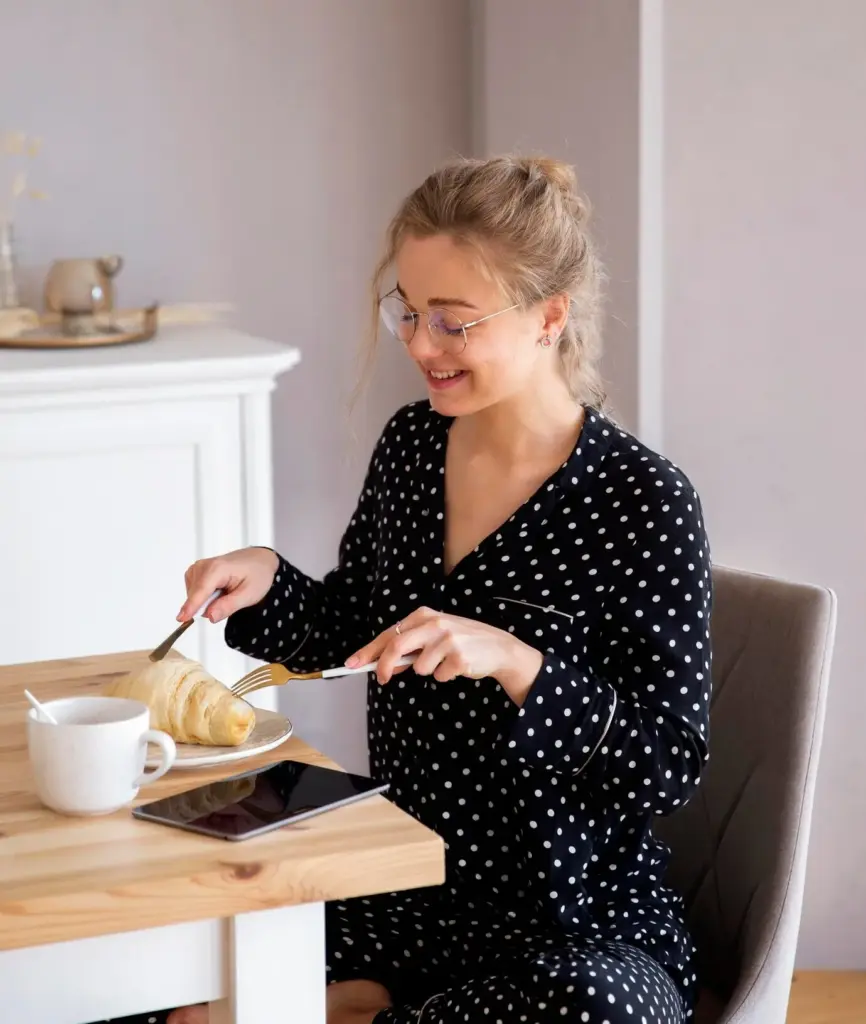
One parent describes arriving at the sink exhausted, heart still racing from bedtime negotiations. They set a timer, softened the light, and paired each plate with a single slow exhale. By the final glass, their shoulders had lowered, jaw unclenched, and irritation softened into warmth. The dishes were clean, yes, but more importantly, so was the tone of the night that followed.

A Chef Who Found Quiet After the Rush

A line cook shared how post-service cleanup once felt like an endless grind. Adding breath cues brought surprise relief: exhale with each scrub, reset during rinses, appreciate the gleam as a signal of closure. The ritual marked a boundary between intensity and rest, turning fatigue into gratitude. Sleep improved, and the next shift began with steadier focus and a kinder relationship to effort.

A Student’s Exam-Week Micro-Practice

During finals, a student used stacking dishes as a bell of mindfulness. Before touching the sponge, they named three sensations. When panic rose, they labeled it gently and returned to breath-synced circles. Ten minutes later, the kitchen looked calmer, and so did their mind. Study resumed with clearer attention, proving that small, embodied pauses can restore the stamina big thinking demands.

Common Snags and Gentle Adjustments
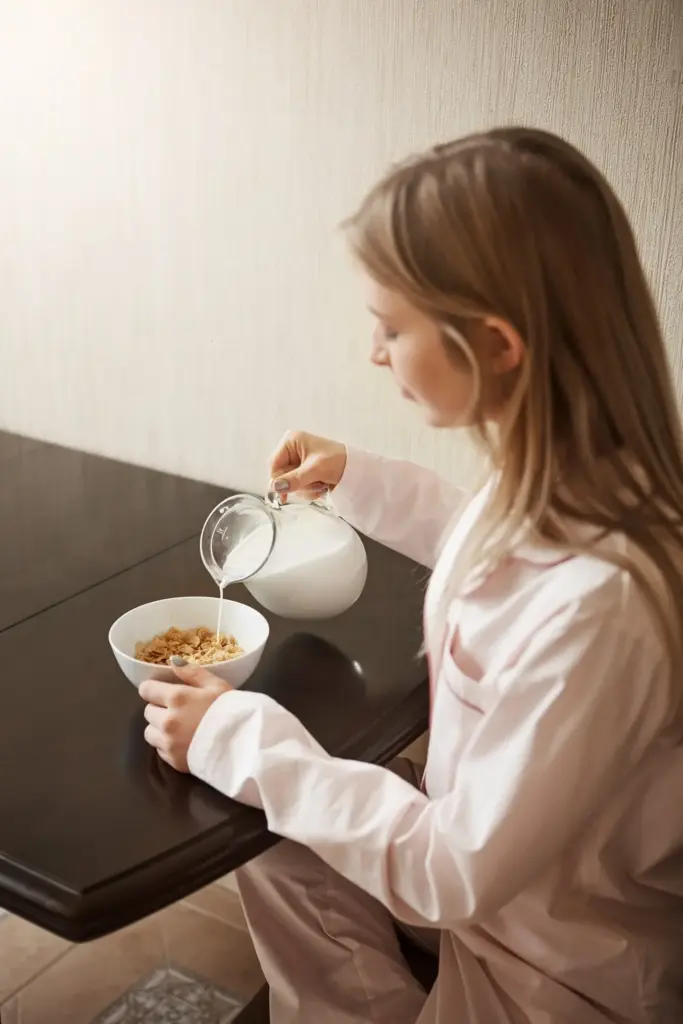
Obstacles are part of the journey. Greasy pans, cold kitchens, racing thoughts, or household noise can disrupt focus. Rather than resisting, treat each snag as a new anchor and respond with curiosity. Adjust water temperature, posture, soundtrack, or pacing. Replace perfectionism with playfulness. With small tweaks, interruptions become invitations to practice flexibility, and the sink stays a compassionate place to begin again.

Sustaining the Practice: Community, Tracking, and Play

Embedding this ritual into daily life works best with light structure and supportive company. Track tiny wins, collect sensory notes you love, and refresh your setup seasonally. Share discoveries with friends or family, inviting a gentle culture of care. Curiosity beats rigidity: experiment with music, silence, or mantras. Over time, the sink becomes a reliable doorway to steadiness, even when storms gather outside.

Journaling Prompts and Tiny Metrics That Matter

After washing, jot one sensory highlight, one emotion, and one breath cue that helped. Track the number of sessions per week, not minutes. Look for patterns, like scents that steady you or postures that strain. Celebrate trends, however small. This kind of noticing turns experience into learning, and learning into habits that fit your real life, not an idealized schedule you secretly resent.

Gamify with Compassion, Not Pressure

Create playful challenges—three mindful plates daily, a gratitude sentence per session, or a week focused on exhale length. Use gentle rewards like a favorite tea afterward. If streaks break, respond with kindness and restart small. Games can energize repetition, but compassion sustains it. Let playfulness coexist with sincerity, so each return to the sink feels like coming home rather than passing a test.

Nunutixerelomaka
Privacy Overview

This website uses cookies so that we can provide you with the best user experience possible. Cookie information is stored in your browser and performs functions such as recognising you when you return to our website and helping our team to understand which sections of the website you find most interesting and useful.